


LEARN
Spartan Investment Group’s news and information hub for passive investing in self-storage real estate.

Spartan Investor Academy
Free, expert-led courses to help you understand and invest in self-storage.
Taught by Ryan Gibson, President, CIO and co-founder of Spartan Investment Group.

What I’m Bringing Back from Limitless
By Travis Watts I am writing this from Phoenix after spending a few days at the Limitless Financial Freedom Expo. […]
Mid-Year Storage Investor Letter
By Ryan Gibson, Co-Founder & Chief Investment Officer, Spartan Investment Group At mid-year, the best place to start is with […]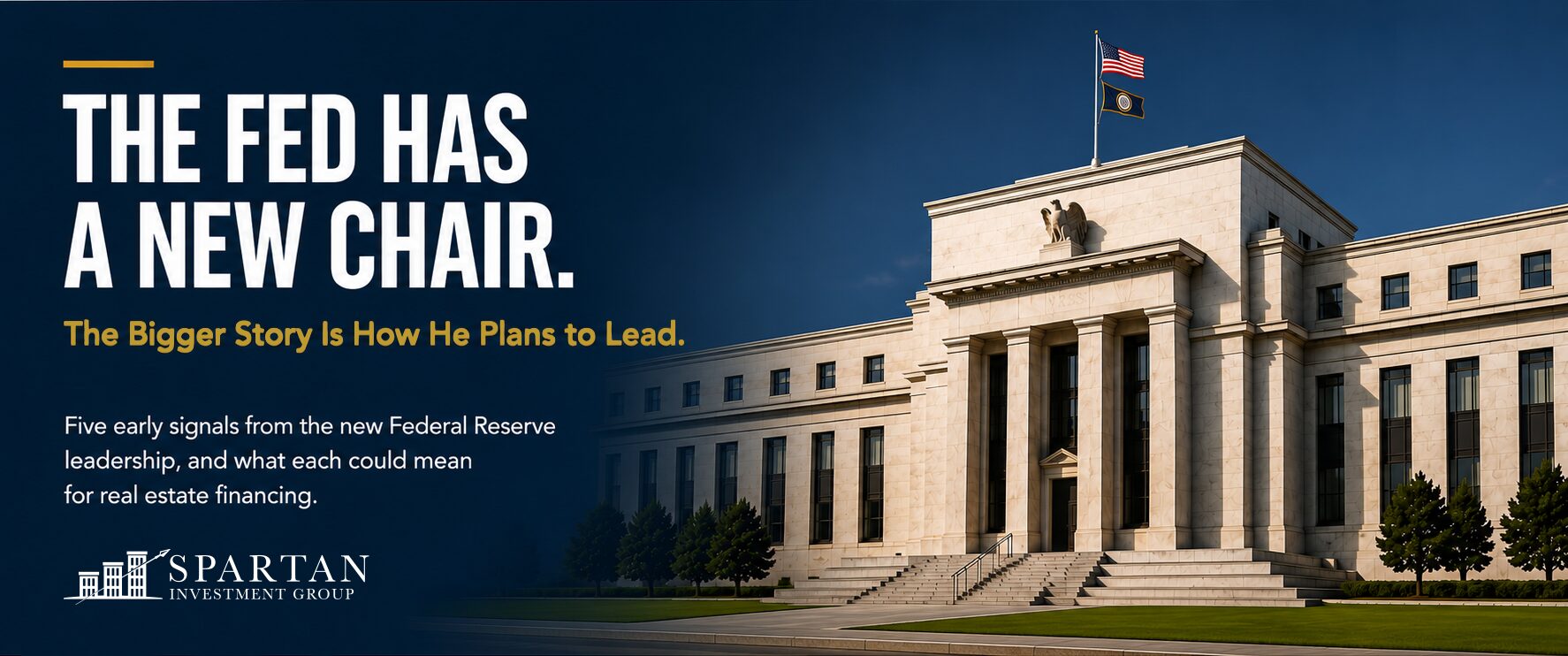
The Fed Has a New Chair. The Bigger Story Is How He Plans to Lead.
Investor Education The Fed Has a New Chair. The Bigger Story Is How He Plans to Lead. Five early signals […]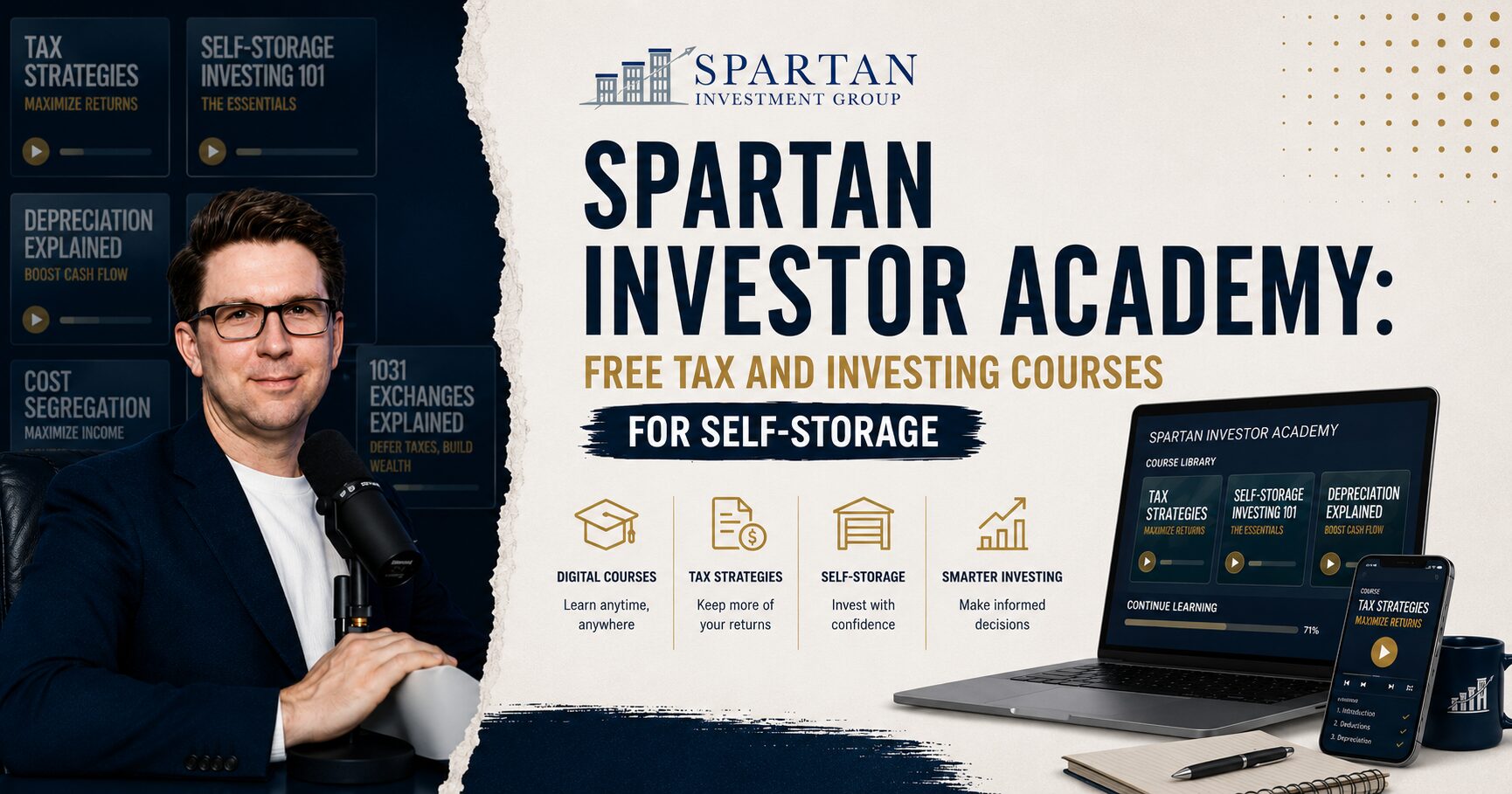
Spartan Investor Academy
Investor Education Free investor education. Simple lessons. Better questions at tax time. Spartan Investor Academy On-demand courses taught by Ryan […]
Article
Understanding Hold Periods: Why Commercial Investments Run 3, 5, 7, or 10 Years
Not every commercial real estate investment follows the same timeline. Some are designed to create value and return capital within a few years, while others require a longer horizon to fully execute the business plan and capture market appreciation. Understanding why hold periods vary helps investors set realistic expectations and better align investments with their financial goals.
Article
Cash-on-Cash vs. IRR: What Passive Investors Actually Need to Know
Every syndication pitch deck presents projected returns. The two metrics you'll encounter most are cash-on-cash return and IRR, but they answer different questions, carry different assumptions, and can tell very different stories about the same deal. Here's how to read them together.
Article
How to Evaluate a Syndication Sponsor: 5 Things That Matter Most
Most passive investors spend the majority of their due diligence evaluating the deal. Experienced syndication investors consistently arrive at a different conclusion: sponsor quality is the variable that most directly determines outcomes. This guide provides a disciplined framework for evaluating the five dimensions that separate strong sponsors from weak ones, and what to ask before you commit capital.
Article
What Does “Recession Resistant” Really Mean for Self-Storage Investors?
Self-storage is often labeled “recession-resistant,” but what does that actually mean for investors? This guide breaks down the economic drivers behind demand resilience, examines performance during past downturns, and highlights the real risks that still matter. Learn how to evaluate opportunities based on local market dynamics, operator execution, and disciplined underwriting, not just marketing claims.
Article
Spartan Investor Academy
A free, expert-led academy designed to help passive investors understand depreciation, K-1s, and retirement account strategies in self-storage investing, so you can maximize after-tax returns and avoid hidden tax drag.
Article
7 Questions to Ask Before Investing in a Self-Storage Syndication
Before investing in a self-storage syndication, disciplined investors ask the right questions. Learn the seven essential questions that help you evaluate sponsors, deal structure, returns, and risk with confidence.
Article
Climate-Controlled vs. Standard Storage Units: What’s the Difference?
When most people rent a storage unit, they're thinking about square footage and monthly price. They're not thinking about vapor barriers, HVAC cycles, or how humidity interacts with electronics, wood, and paper over an 18-month rental period. But operators and investors who understand the distinction between climate-controlled and standard self-storage units (and why tenants are willing to pay a meaningful premium for the former) have a structural advantage that shows up directly in rent rolls and exit valuations.
Article